
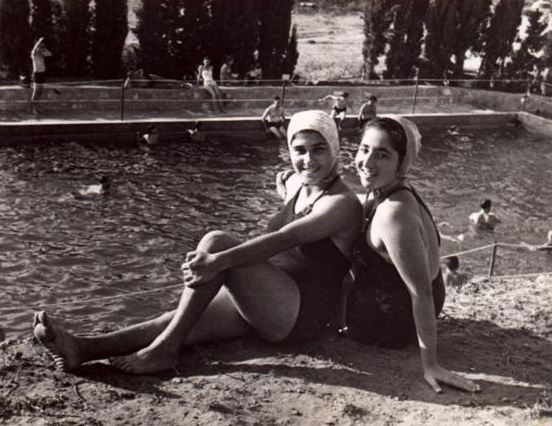
שולמית אפרתי אשרוב, 1929-2017
שולמית אשרוב נולדה בירושלים בשישה באוגוסט בשנת 1929. אמה, זולאי, ואביה, חנניה, הגיעו לירושלים מסמרקנד בשנת 1924, יחד עם ילדיהם בכור, דניאל, תמרה ויהודה. שולמית ואחיה הצעיר אבנר נולדו בביתם החדש בשכונת הבוכרים, בבית המידות שבנה הסב, הרב ציון אשרוב, בשכונת רחובות הבוכרים שהיה בין מייסדיה. הבית שכן לא רחוק מהשוק ברחוב הראשי ונבנה בסגנון סמרקנדי, סביב חצר פנימית ובה עצי לימון וגפן. שולמית גדלה בירושלים,אך חייתה את התרבות הסמרקנדית. המאכלים, הבדים הרקומים, השפה והמוזיקה של סמרקנד מילאו את בית אשרוב בירושלים בטעמים, צלילים וצבעים.
בשנת 1934, עברה המשפחה לפתח תקווה, שם חנניה עסק בפרדסנות ובבנקאות. שולמית גדלה באווירת חופש עליזה בין בית הספר פיק״א לרחוב ביל״ו שם שכן בית המשפחה מוקף בעצי זיתים. בביתם החדש, זולאי הייתה אופה לחם בוכרי בתנור הביתי בחצר, מבשלת בשני המטבחים החיצוני והפנימי, ומארחת את המשפחה וחבריה לסעודות במרפסת הירוקה והפורחת. מלחמת העולם השניה והמשבר הכלכלי שבא בעקבותיה פגע ביצוא התפוזים, והמשפחה מכרה את הפרדס ועברה לשכונת שפירא בתל אביב, בה גרו רבים מבני הקהילה הבוכרית. בתל אביב, שולמית גילתה את אהבתה הגדולה למוזיקה, והצטרפה עם בת דודתה יהודית למקהלת האופרה. הן הופיעו בפסטיבלים ובקונצרטים בכל הארץ, ובאחת ההופעות היא פגשה את יצחק שהפך לבן זוגה.
עם פרוץ מלחמת העצמאות, שולמית רצתה להצטרף לשורות ההגנה יחד עם יצחק. אך אביה חנניה אסר עליה להתגיס ואף זייף את תאריך לידתה במסמכים הרשמיים כדי למנוע את גיוסה. כמה שנים לאחר מכן, היא נישאה ליצחק, בניגוד לדעת אביה שרצה שתינשא לבן העדה הבוכרית, והם עברו לגור בשכונת מטלון בפתח תקווה, ולאחר מכן בשיכון דן בתל אביב, בו שולמית טיפחה גן פורח, עם פרחי פלוקס, קאלות, שושנים, ביגוניות, אמנון ותמר, יקינתון, הדס, נוריות וכלניות לרוב.
ידיה של שולמית היו תמיד מלאות עבודה: אחרי המשמרת כמודליסטית במפעל ׳כיתן׳, היא הייתה חוזרת הביתה לאפיה ולבישול, לתפירה ולרקמה. היא הייתה מלאת כישרון למלאכת יד. היא הייתה ׳יושבת על המכונה׳ ותופרת בגדים, רוקמת מפות,וסורגת סוודרים בדוגמאות מורכבות. את השמלות המפוארות שלה פרמה לתפור בגדים לבנותיה. בהמשך, היא גם החלה לצייר ולכייר בחימר. התשוקה ליצירה ולגן הייתה הכוח המניע שלה, והשראה רבה לכולנו.
Shulamit Efrati Asherov, 1929-2017
Shulamit Asharov was born in Jerusalem on August 6, 1929. Her mother, Zulay, and her father Hanania arrived in Jerusalem from Samarkand in 1924 together with their children Bechor, Daniel, Tamara and Yehuda. Shulamit and her younger brother Avner were born in their new home in the Bukharan neighborhood. The house in Jerusalem was built by Rabbi Tzion Ashrov, one of the founders of the Rehovot Habucharim neighbourhood. The house was not far from the market on the main street and was built in the Samarkand style, around an inner courtyard with lemon trees and vines. Shulamit grew up in Jerusalem, but lived the Samarkand culture. Samarkand’s dishes, embroidered fabrics, language and music filled the house of Asherov in Jerusalem with flavors, sounds and colors.
In 1934, the family moved to Petah Tikva, where Hanania worked in orchards and banks. Shulamit grew up in a cheerful atmosphere of freedom between the PICA School and Bilu Street, where the family house is surrounded by olive trees. In their new home, Zulay used to cook Bukhari bread in the home oven in the yard. She had both an external and internal kitchen, and host the family and her friends for meals on the blossoming green terrace.
World War II and the ensuing economic crisis affected the export of oranges, and the family sold the orchard and moved to the Shapira neighborhood of Tel Aviv, where many members of the Bukharan community lived. In Tel Aviv, Shulamit discovered her great love for music and joined her cousin Yehudit in the opera choir. They performed in festivals and concerts throughout the country, and on one of the performances she met Yitzhak, who became her partner.
In 1949 Shulamit and Yitzhak married, and the Efrati family settled in Petach Tikva. They had three daughters, Ruth, Ilana and Nira, and one son, Lior. After a few years, they moved to a house that Yitzhak built himself in a northern neighbourhood in Tel Aviv.
Shulamit’s hands were always full of work; after moving to Tel Aviv she worked as a model in the Kitan factory, but would still have time for baking and cooking, sewing and embroidery. She was a modern women, who faced the not-so-easy task of balancing life and work with determination and passion.
She had a great talent for craftsmanship. She was ‘sitting on the machine’ and sewing clothes, embroidering tablecloths, and knitting sweaters in intricate patterns. She undid her fancy dresses to sew her daughters’ clothes. Later, she also began painting and sculpturing with clay. The passion for creation and the garden was its driving force, and a great inspiration to all of us.
 Shulamit Efrati Asherov